Medical vanguard in Argentina: feature in Clarín
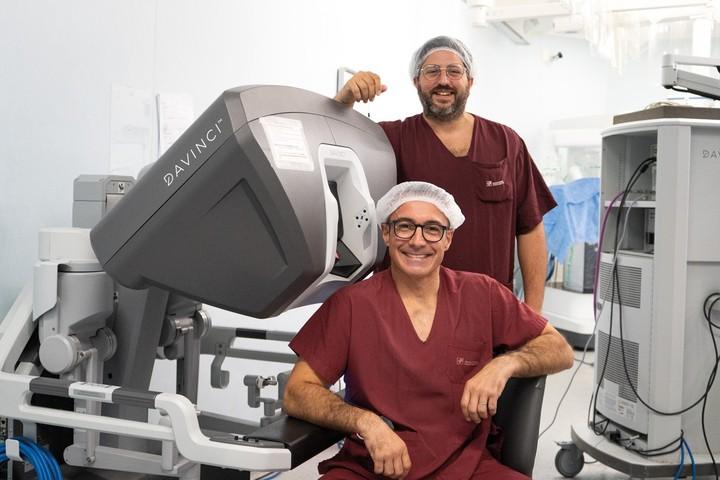
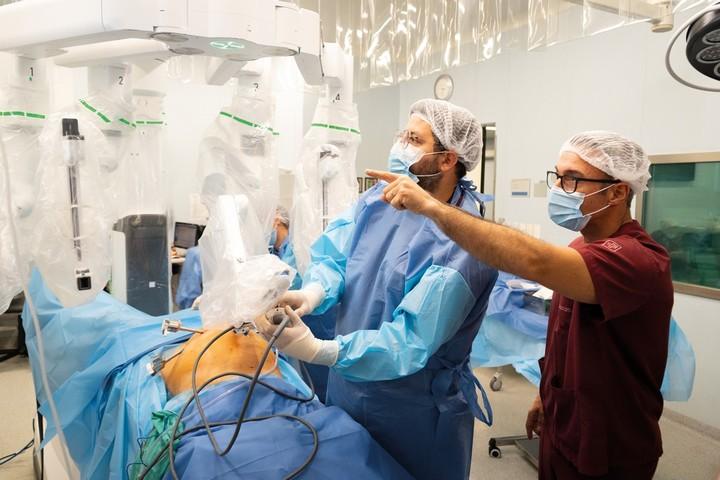
Robotic surgery is transforming the practice of urology in Argentina, giving patients a more precise, less invasive option with a faster recovery, and positioning the country as a regional reference. Today the da Vinci system, the one most commonly used in robotic surgery, lets surgeons perform procedures with high precision from a remote console while viewing a high-definition 3D image of the area being treated.
The surgeon's movements are replicated by the robotic arms, notes Dr. Gonzalo Vitagliano, a leading figure in the field, which offers finer control than the human hand and reduces its natural tremor, allowing more delicate interventions. In oncologic urology, robotic surgery represents a paradigm shift.
Its main strength lies in combining the minimal invasiveness of laparoscopy with a magnified three-dimensional view and a range of motion that surpasses human limits, improving precision. This translates into greater surgical control, less bleeding, less postoperative pain, and a faster recovery, without compromising oncologic outcomes.
Prostate cancer is one of the conditions that benefits most from this technology. Robotic radical prostatectomy allows a more precise dissection of the nerves responsible for continence and sexual function, improving the patient's quality of life.
The same applies to kidney surgery, such as partial nephrectomy (removing part of the kidney in the case of tumors) and pyeloplasty (surgery to correct obstructions at the junction of the ureter and the kidney), as well as robotic cystectomy (bladder removal), where the technology helps preserve healthy tissue and optimize surgical margins, aspects that are essential in modern oncology and vital to the patient recovery.
Read the full feature in Clarín digital.